

Subscribe to our "Population in Perspective" Substack Here!
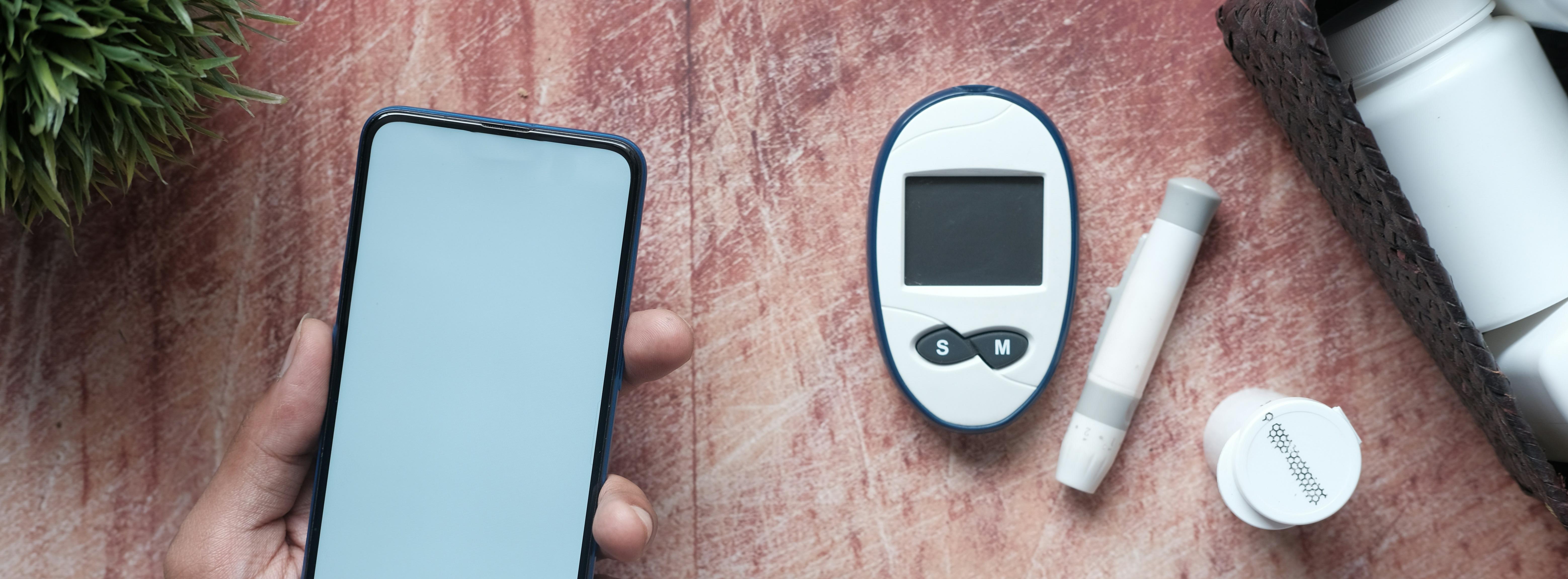
Mobile health technologies — from wearable sensors to symptom-tracking apps — promise a future where patients help shape the care they receive. A new narrative scoping review published in the Journal of Medical Internet Research examines how patient-generated health data (PGHD) collected through mobile health (mHealth) applications influences health care management and clinical decision-making for adults with long-term conditions.
Researchers led by Ava Keeling, who recently joined the Leverhulme Centre for Demographic Sciences, and colleagues systematically mapped existing studies spanning more than a decade of research to understand how this rapidly growing digital data stream is being used in outpatient care. They found evidence that PGHD, such as self-reported symptoms, patient-entered outcome measures, and physiological data, can support more person-centred consultations, enhance clinicians’ understanding of patients’ experiences, and inform treatment discussions.
But despite its potential, the review highlights important gaps between promise and practice. While PGHD was reported to enable proactive, holistic care and support richer conversations between patients and clinicians, its routine use in clinical workflows remains limited. Barriers include technological integration challenges, professional’s lack of trust in the data, and a lack of standardised formats for sharing and visualisations.
Most studies to date focus on feasibility rather than robust long-term outcomes and implementation in real-world settings, particularly outside high-income countries. The authors argue that future research should prioritise effective integration of PGHD into electronic health records, improved data presentation for clinicians, and rigorous evaluation of impacts on care pathways and health outcomes.
This review provides timely insight into how everyday health data from mHealth tools might reshape care delivery — and what’s needed to unlock that potential.