

Subscribe to our "Population in Perspective" Substack Here!
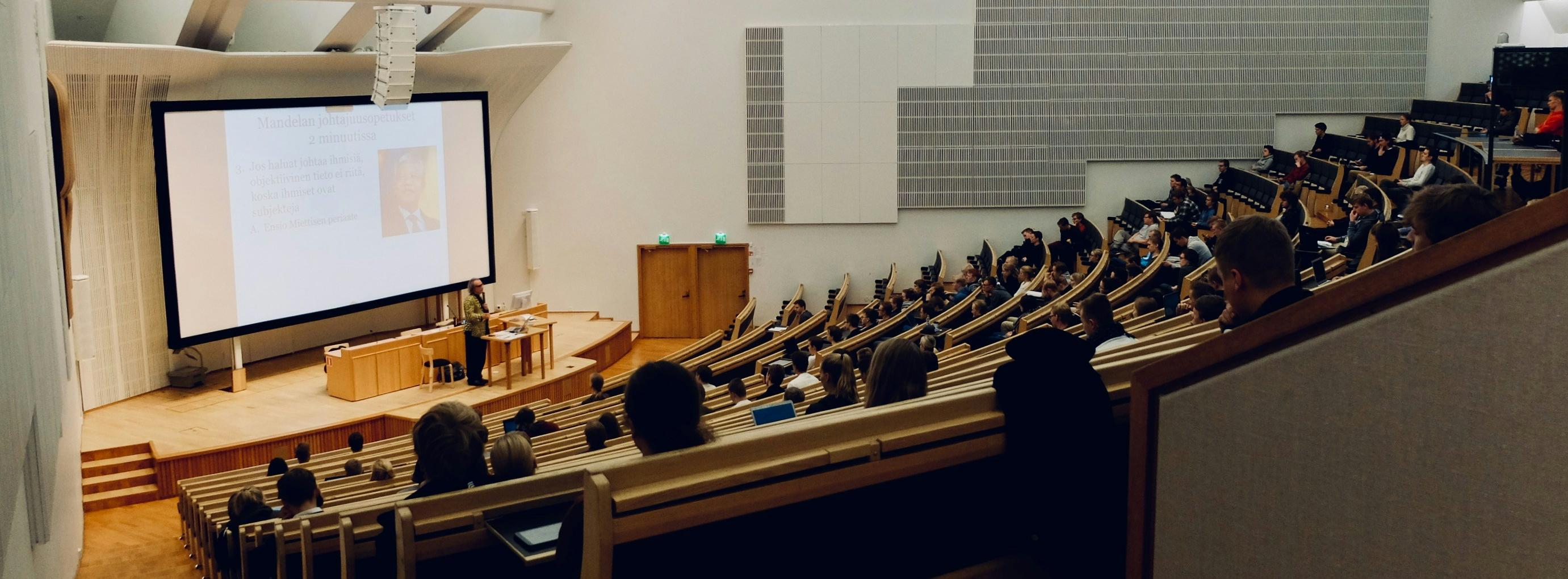
The LCDS will welcome Prof Pieter Vanhuysse, Professor of Political Economy and Public Policy at the University of Southern Denmark, for an upcoming seminar exploring the fiscal and ethical implications of free movement of workers. Drawing on evidence from the European Union, Pieter will examine how migration can create significant tax windfalls for destination countries while draining human capital and tax revenues from countries of origin, raising wider questions about fiscal fairness and solidarity in Europe. Please join us at 2pm in the Butler room at Nuffield college, tea and coffee will be provided.
The free movement of workers is win-win-lose: it increases individual earnings but implies poorer-to-richer-country fiscal transfers. By importing taxpayers for free, destination countries freeride on origin countries’ investments in migrants’ human capital, eroding the fiscal foundations of origin countries’ welfare states, while boosting their own. What does justice demand? We develop a heuristic model based on how two conceptual components are differently morally loaded: (a) origin countries’ tax drain calls for binding compensation; (b) destination countries’ surplus tax windfalls allow more open-ended sharing. We apply the model to the European Union architecture, which combines poorer-to-richer-country migration flows with cohesion funds flowing in the opposite direction. Migration from fund-receiving to fund-contributing countries nearly always implies surplus tax windfalls of such magnitude that fund-contributing countries need not draw on native taxpayers (“own sweat”); only on extra revenues from importing fund-receiving countries’ own people (“migrants’ sweat”). Moreover, we estimate that in six of fifteen cases, fund-contributing countries did not sufficiently compensate fund-receiving countries for tax drain either (the moral minimum). This indicates fiscal space and normative grounds for reforming the institutional status quo. We raise larger questions about the meaning of solidarity in Europe and the fiscal fairness of periphery-to-core worker migration globally.
Keywords: free movement of labor, fiscal fairness, tax drain, migration, core-periphery, EU cohesion, EU solidarity, intergenerational welfare state. JEL classification code: F22, H20, D63, J61, H77