

Subscribe to our "Population in Perspective" Substack Here!
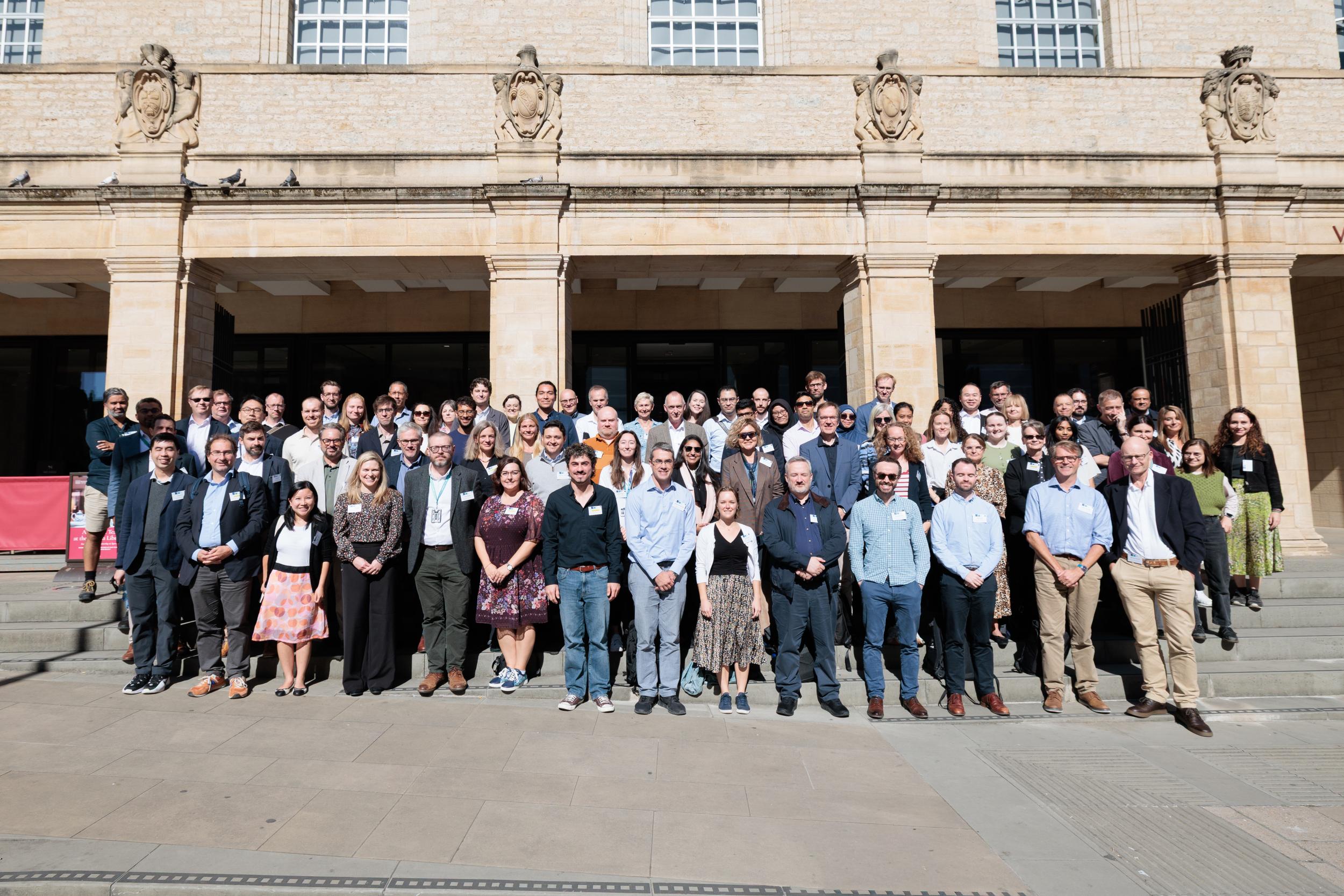
The first Digital Pandemic Preparedness workshop brought together experts from across public health, epidemiology, technology, ethics and the social sciences in Oxford to explore how digital tools and approaches can strengthen preparedness for future pandemics.
Image: Digital Pandemic Preparedness workshop delegates and speakers in front of the Bodleian Library.
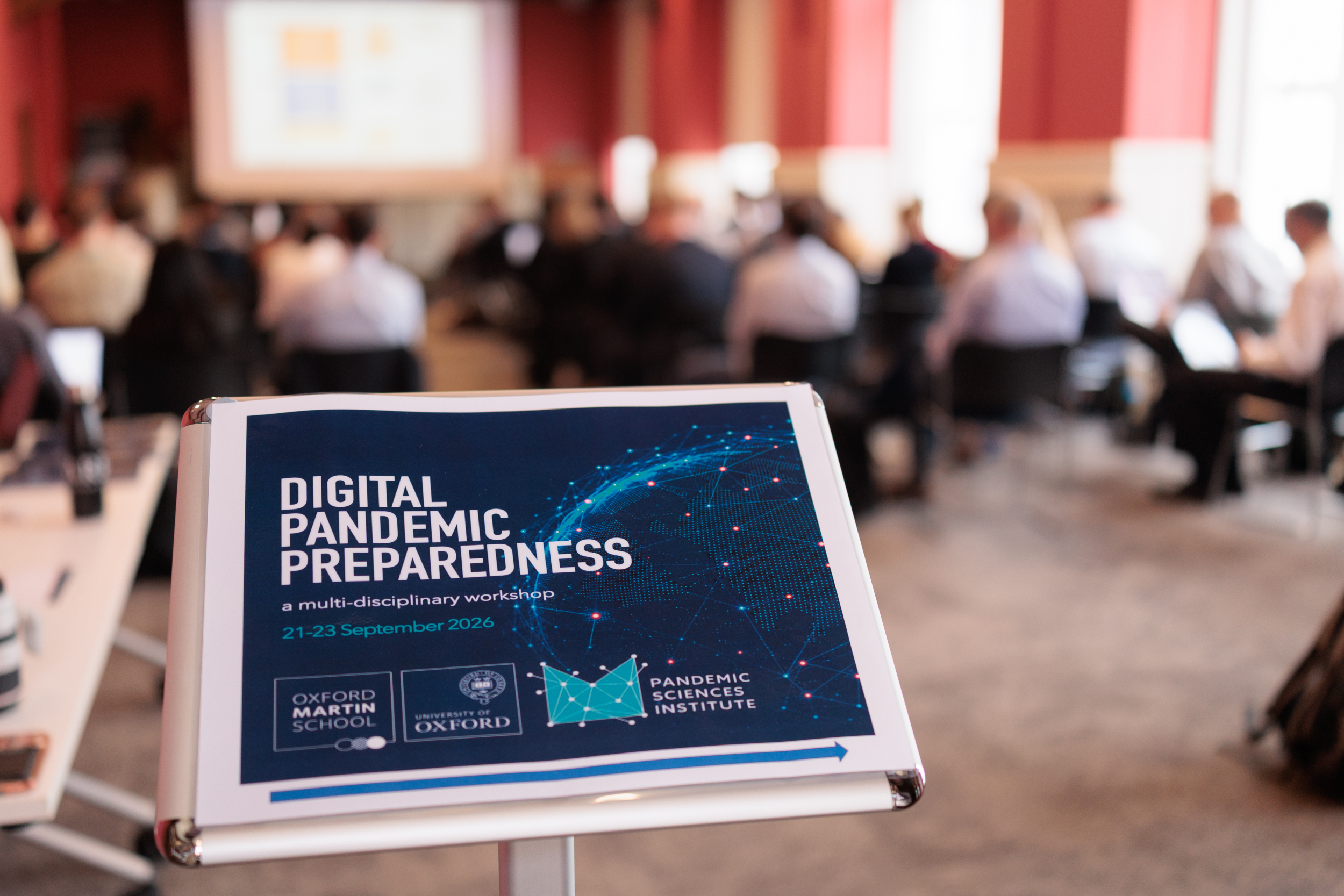
Held over three days at the Oxford Martin School, the multidisciplinary workshop combined talks, panel discussions and breakout groups, creating opportunities to share knowledge and build a community of experts across academia, technology and public health.
Discussions ranged from data and artificial intelligence, digital contact tracing and data sharing to ethics, privacy, public participation, behaviour and trust. The workshop considered not only the technologies that could support responses to future outbreaks, but the governance, infrastructure and relationships needed to deploy them effectively.
Bringing demographic and behavioural perspectives
Professor Melinda Mills, Director of the Leverhulme Centre for Demographic Science (LCDS), and Dr Thomas Rawson, Senior Researcher at LCDS, contributed to the workshop.
Thomas spoke on infectious disease and demography, while Melinda presented If you build it, will they come? Lessons from public participation from digital and health projects.
Melinda also chaired a session dedicated to behavioural and social considerations in pandemic preparedness. The session brought together perspectives on behavioural responses to public health measures, lessons from the REACT study and the use of wearable devices to measure human social networks, before considering how behavioural and social factors can be dynamically incorporated into pandemic response.
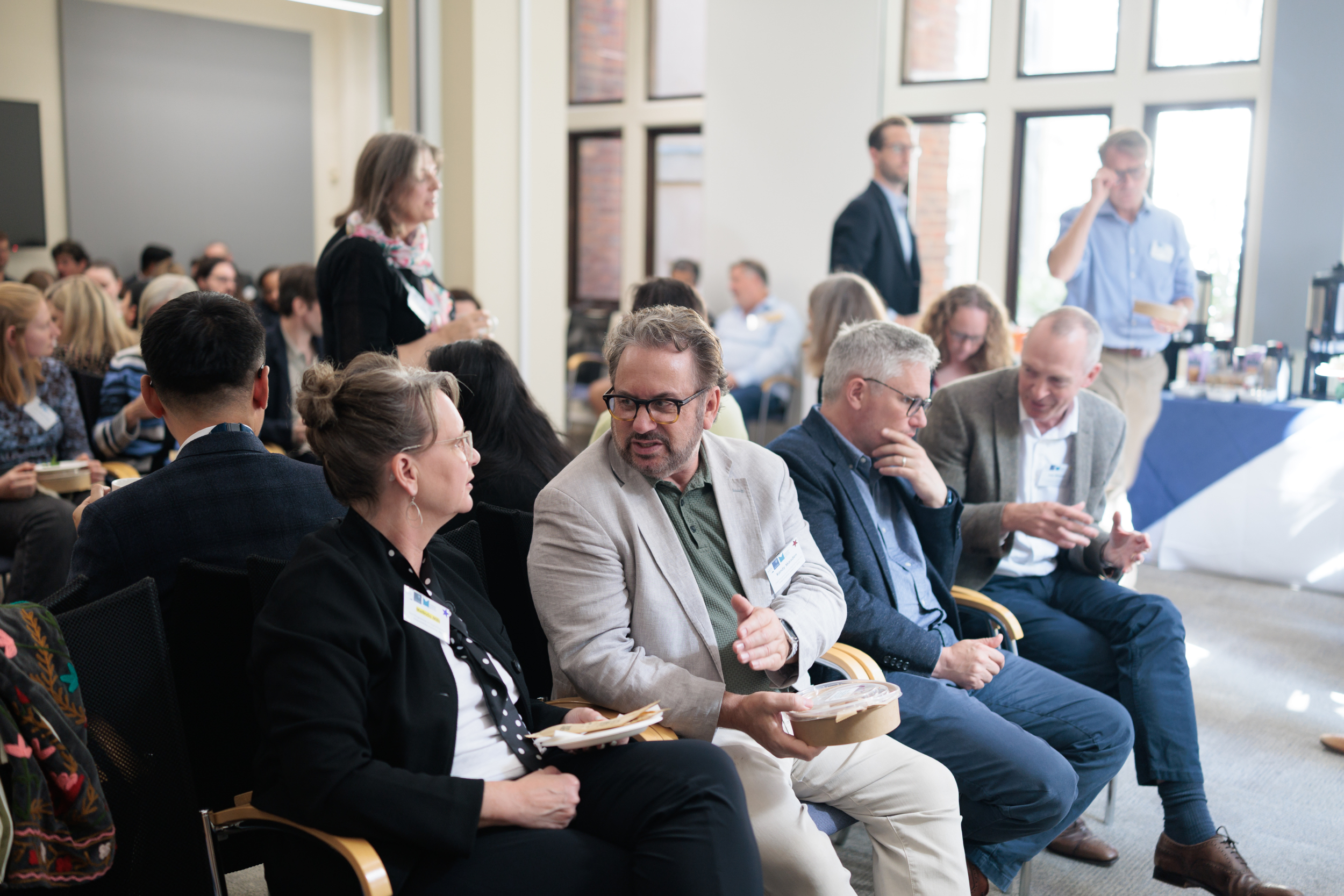
Across the programme, researchers and practitioners from institutions including the World Health Organization, UK Health Security Agency, Institut Pasteur, Robert Koch Institute and universities shared experiences and perspectives from different countries, disciplines and previous public health emergencies.
Preparing before the next outbreak
A recurring theme across the workshop was that digital pandemic preparedness requires more than technological capability alone. Discussions highlighted the importance of governance, pre-agreed approaches to data sharing and deployment, standardised analytics and trusted structures that can enable countries to respond quickly when new threats emerge.
Reflecting on lessons from Singapore’s TraceTogether programme, Jason Bay, formerly of TraceTogether and now at the National University of Singapore, said:
“Digital contact tracing systems saved thousands of lives during COVID, and have the potential to do much more. But they won't be ready for day one of the next outbreak unless we put in the effort now, to learn from experience, and to design and govern them well.”
The importance of preparing the systems surrounding digital technologies was echoed throughout the programme. Vittoria Colizza, Director of Research at INSERM and Sorbonne Université, highlighted the potential insights available from data during a pandemic while stressing the work required in advance to make those data usable: “data will not be ready by accident.”
Other discussions examined how preparedness needs differ across countries and settings. Njenga Kariuki, Professor at Washington State University’s Global Health Program in Kenya, emphasised that “the next pandemic will not be contained by the country with the most dashboards”, drawing attention instead to countries’ ability to recognise signals of emerging threats, combine them with other evidence and act quickly enough to contain them.
From Oxford to Turin
The workshop concluded by looking ahead to the development of a community-led Blueprint for Digital Pandemic Preparedness, intended to draw together learning about the capabilities, evidence and approaches needed ahead of future health emergencies. The final programme session was dedicated to discussing and planning the Blueprint and the next steps for the community.
The conversation will continue in 2027, when the second Digital Pandemic Preparedness workshop will take place at OGR in Turin, Italy.
Those interested in the 2027 workshop can register their interest here.
The Digital Pandemic Preparedness 2026 workshop website includes the full programme and abstracts, with selected presentation slides and links to related projects.