

Subscribe to our "Population in Perspective" Substack Here!
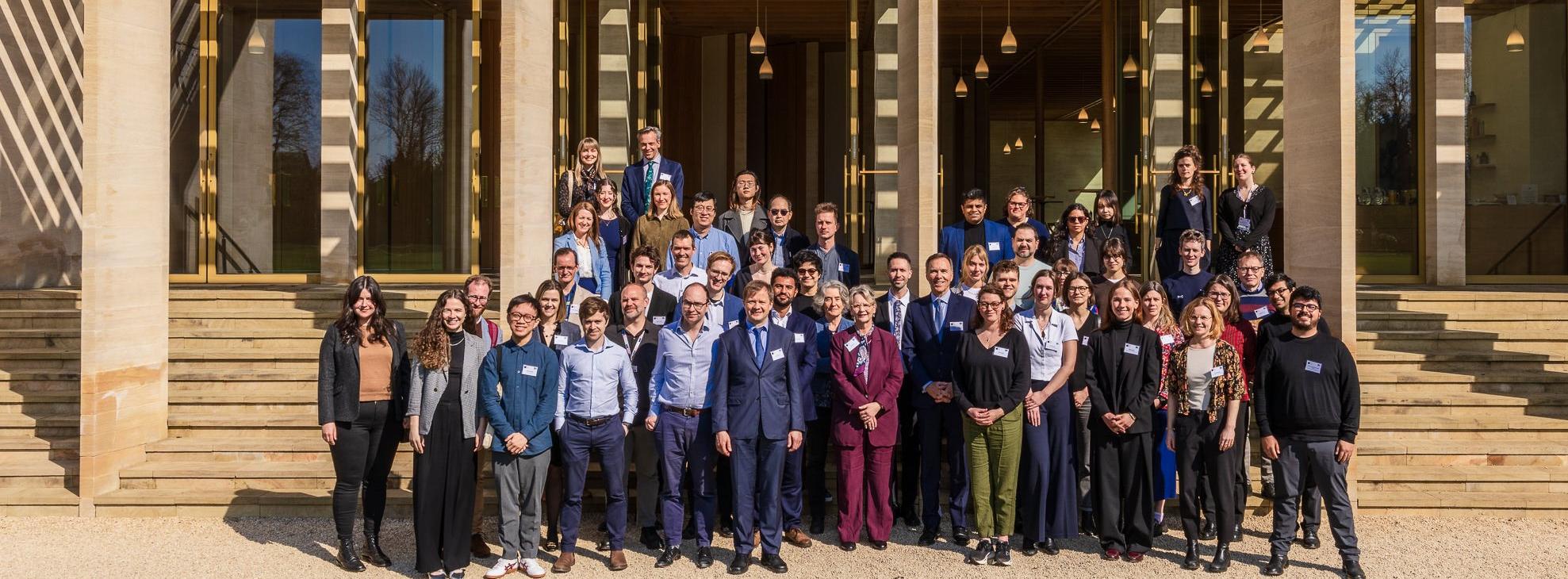
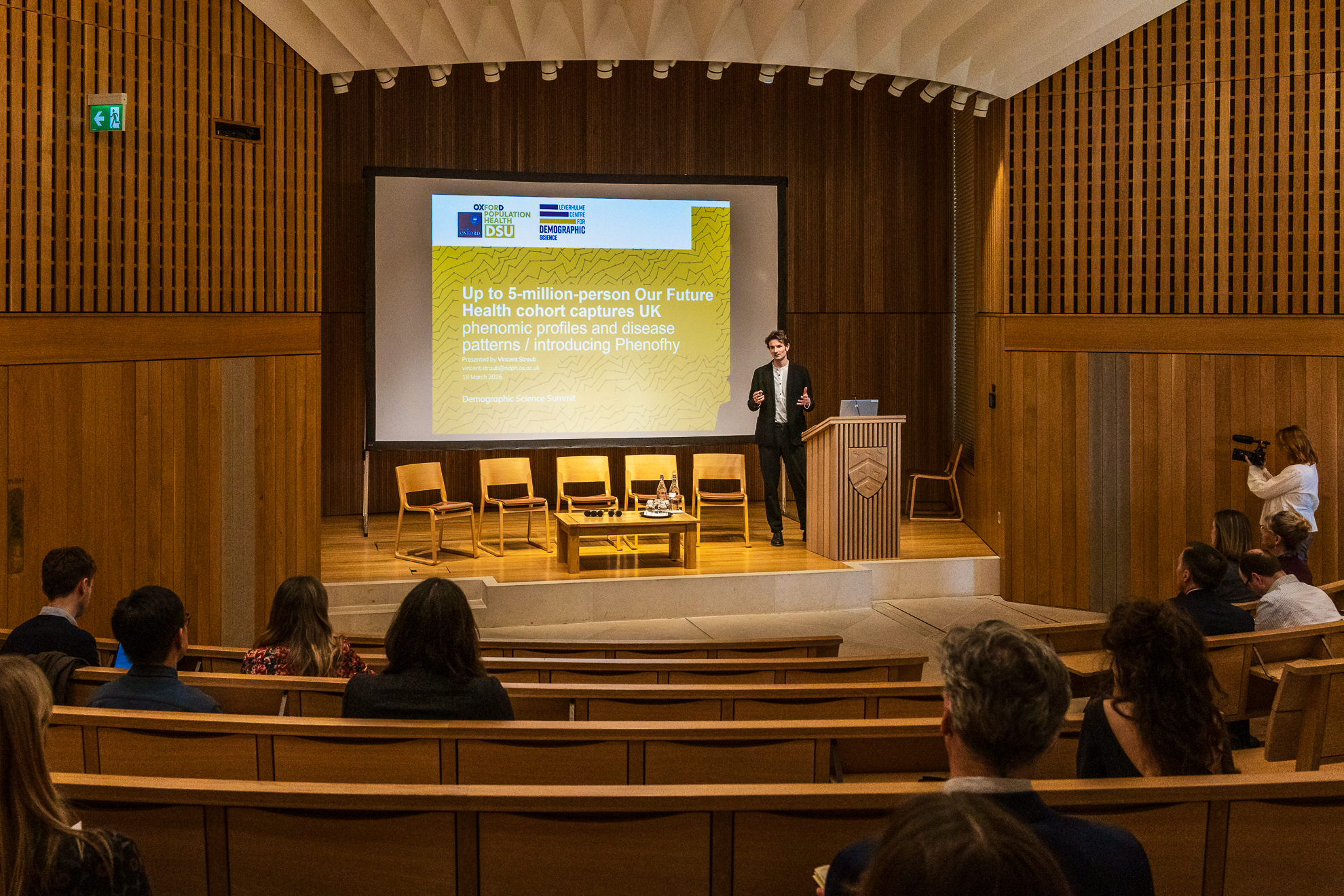
On 19 March 2026, the Leverhulme Centre for Demographic Science (LCDS) at the University of Oxford brought together researchers, collaborators, industry and government for its annual Demographic Science Summit at Worcester College, Oxford. The event provided an opportunity to reflect on what has been an exceptionally productive year for the centre — marked by rapid growth, an expanding research community, and a remarkable output of new demographic and interdisciplinary research.
The day opened with a keynote by LCDS’s new Professor of Demographic Science Jakub Bijak on the future of migration studies, followed by sessions highlighting cutting-edge work on population displacement measurement, large-scale genetic data, and the growing role of biobanks in demographic research. Throughout the programme, LCDS researchers and collaborators showcased work spanning the full breadth of the centre’s research agenda, from inequalities in mortality and population health to the demographic implications of digital technologies and climate change.
A central theme of the summit was the connection between demographic research across disciplines and with policy. A dedicated session focussed on LCDS’s new initiative with the Institute for Fiscal Studies on public policy responses to demographic change with Jonathan Cribb. (Deputy Director IFS). The panel also included Bill Morneau (businessman and former Finance Minister of Canada), who discussed the challenges of translating demographic insights into effective government policy responses.
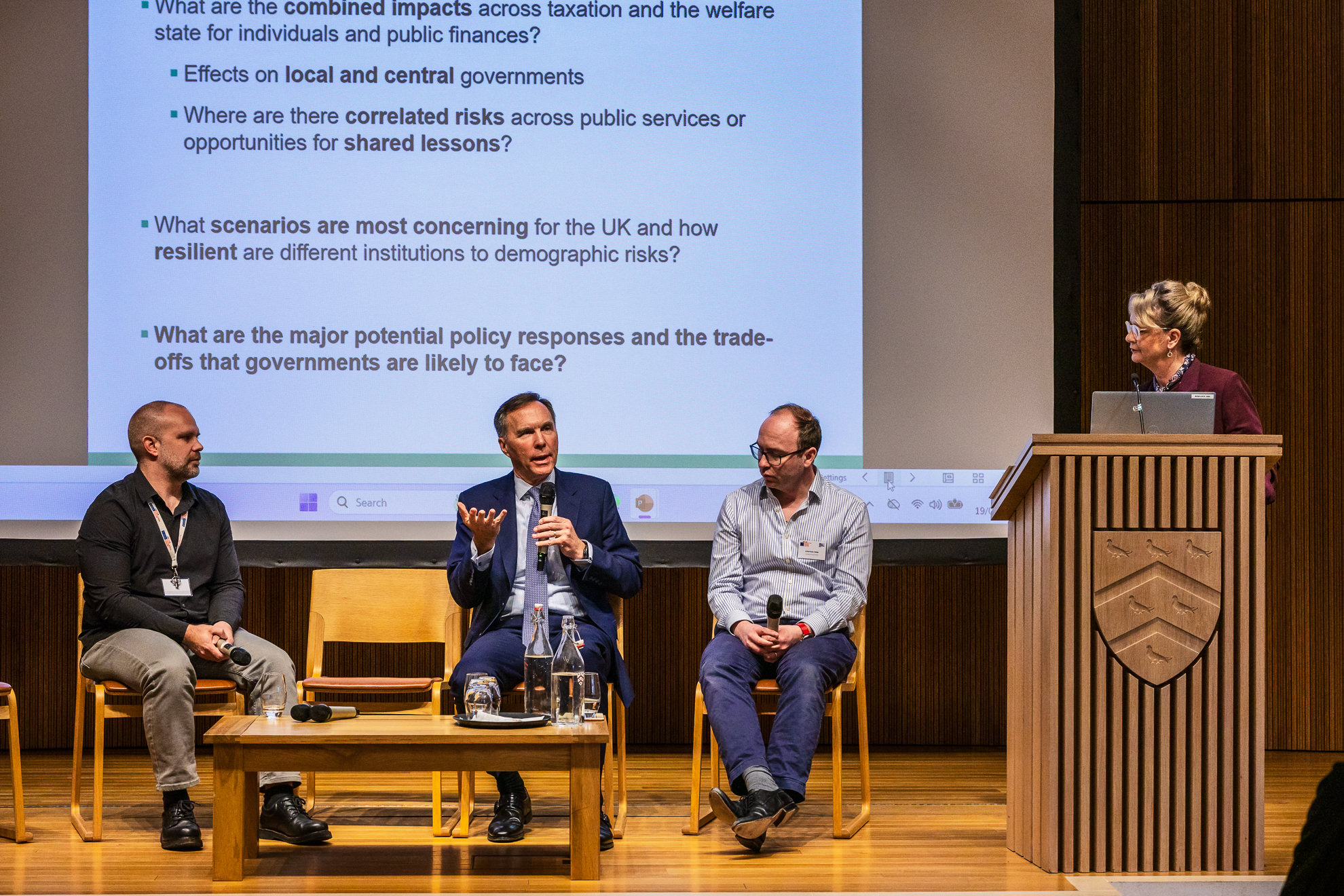
L-R - Dr Joshua Wilde, Bill Morneau, & Jonathan Cribb; credit Potters Instinct Photography
The afternoon featured a keynote by former Labour MP and co-Chair Independent Commission on Community and Cohesion Jon Cruddas and a new partnership with LCDS in in new large-scale data collection effort of the ‘National Conversation’ on community cohesion.
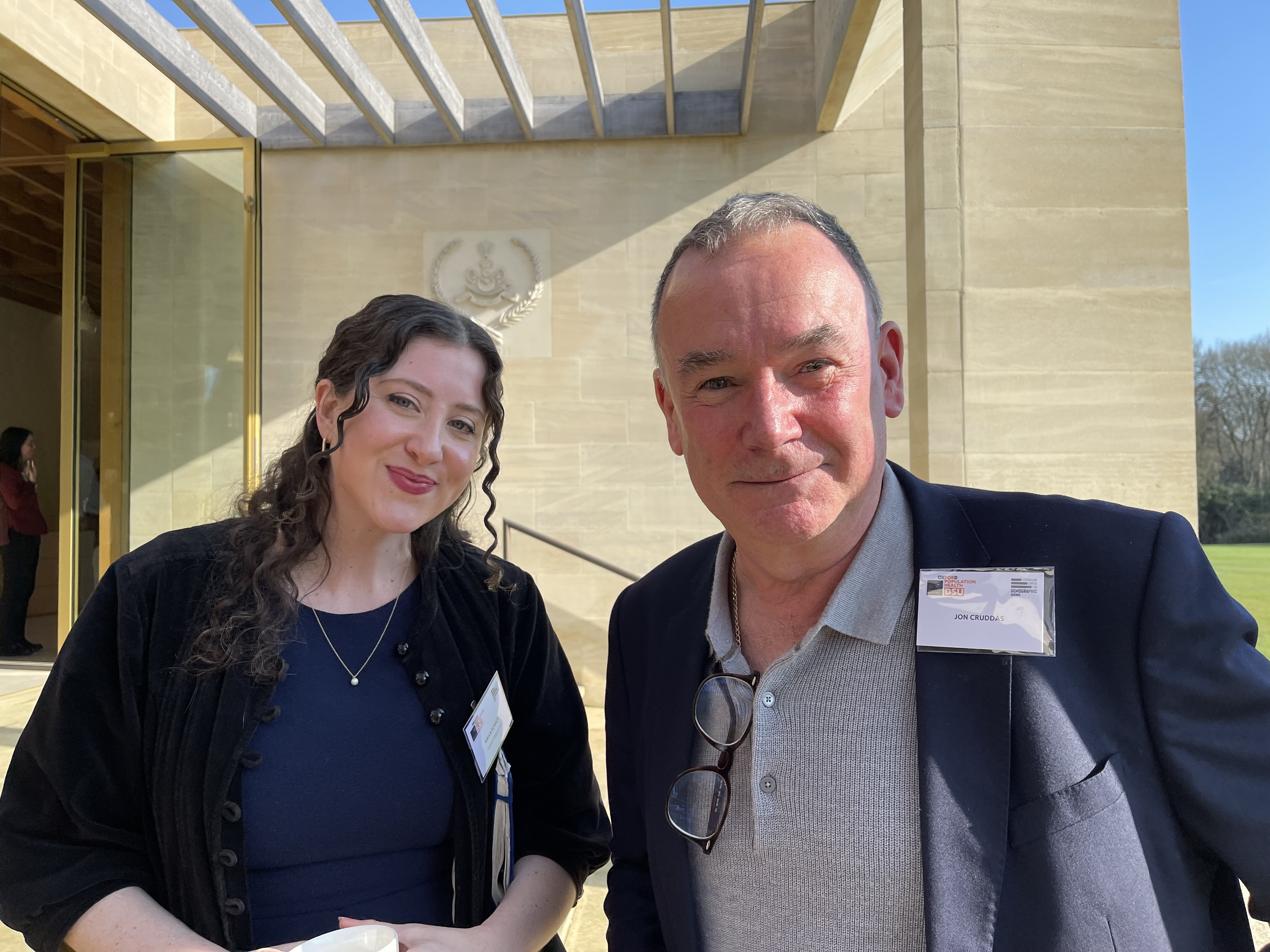
Alumni Kayla Schulte with Jon Cruddas; credit Melinda Mills
The programme also highlighted the interdisciplinary nature of demographic science today, with sessions on life expectancy, infectious disease, and mental health, as well as discussions on the future of the field. A concluding panel on “Horizon Scanning” brought together researchers at different career stages to reflect on emerging directions in demographic research.
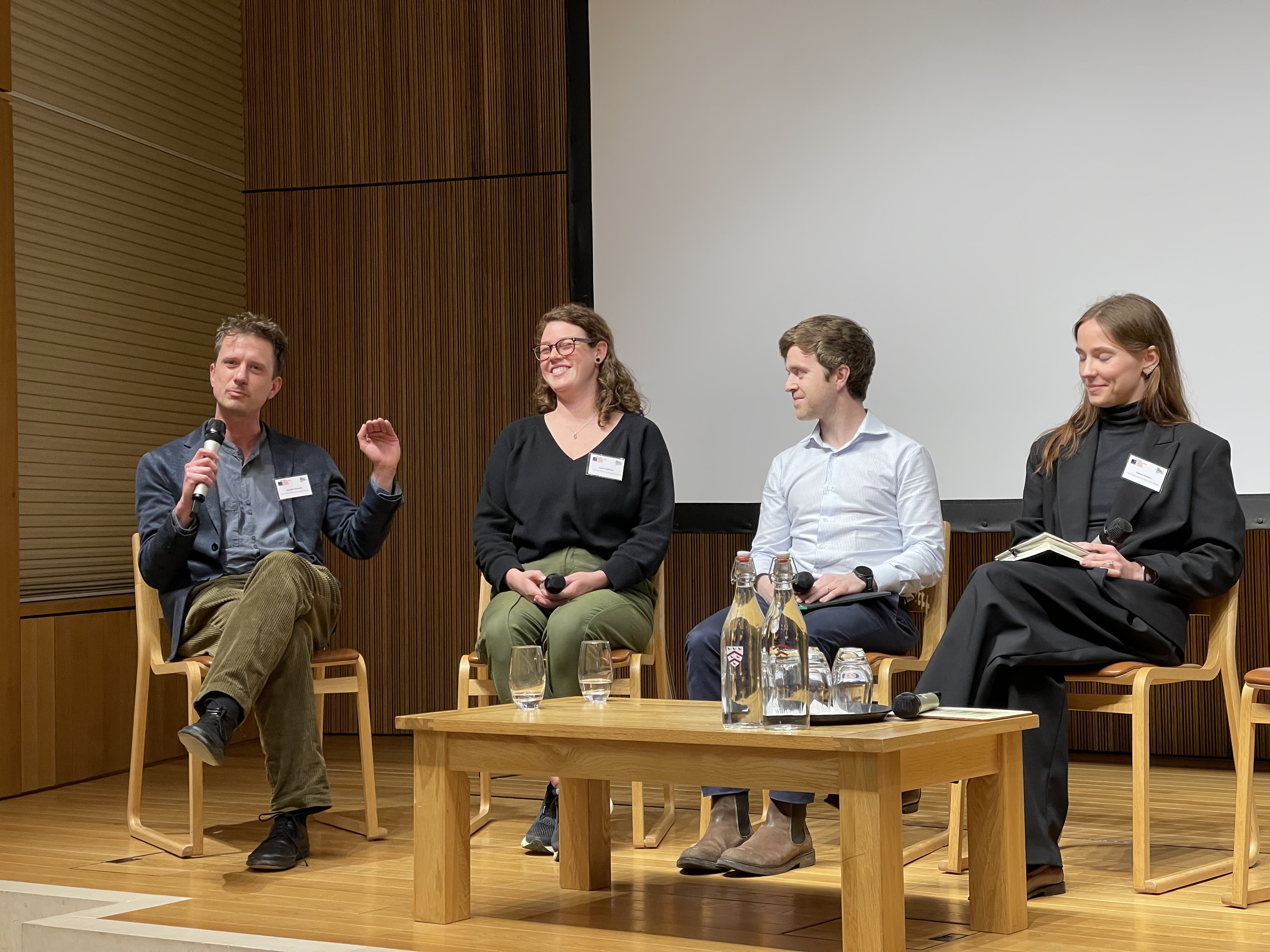
L-R - Dr Sander Wagner, Dr Mary Roberts, Prof. Zachary Parolin, Dr Emma Romell; credit Melinda Mills
Reflecting on the day, Professor Melinda Mills, Director of LCDS, emphasised the importance of the next generation of researchers and translation of our work into real-world applications:
“Seeing the breadth and quality of work going on at LCDS fills me with enormous pride. It is clear that the future of demography is being shaped here — by a new generation of scholars who are open-minded, methodologically innovative, and deeply engaged with the world’s most pressing challenges. Their work lays a strong foundation for the continued evolution of demographic science as a dynamic, inclusive and forward-looking discipline.”
This year’s format placed a particular emphasis on early- and mid-career researchers, who presented their work across a wide range of topics, from migration and displacement to biobank data, life expectancy, infectious disease, and digital innovation.
Beyond the individual sessions, the summit served as an important moment for the centre to take stock collectively. It offered a space to step back from day-to-day research and recognise the shared achievements of the past year — from new collaborations and publications to the continued expansion of LCDS as a global hub for demographic science.
The day concluded with a reception and dinner, providing further opportunity for exchange and reflection. More than anything, the summit reinforced a shared sense of purpose: a recognition of how much has been accomplished together, and a renewed commitment to advancing demographic research in the years ahead.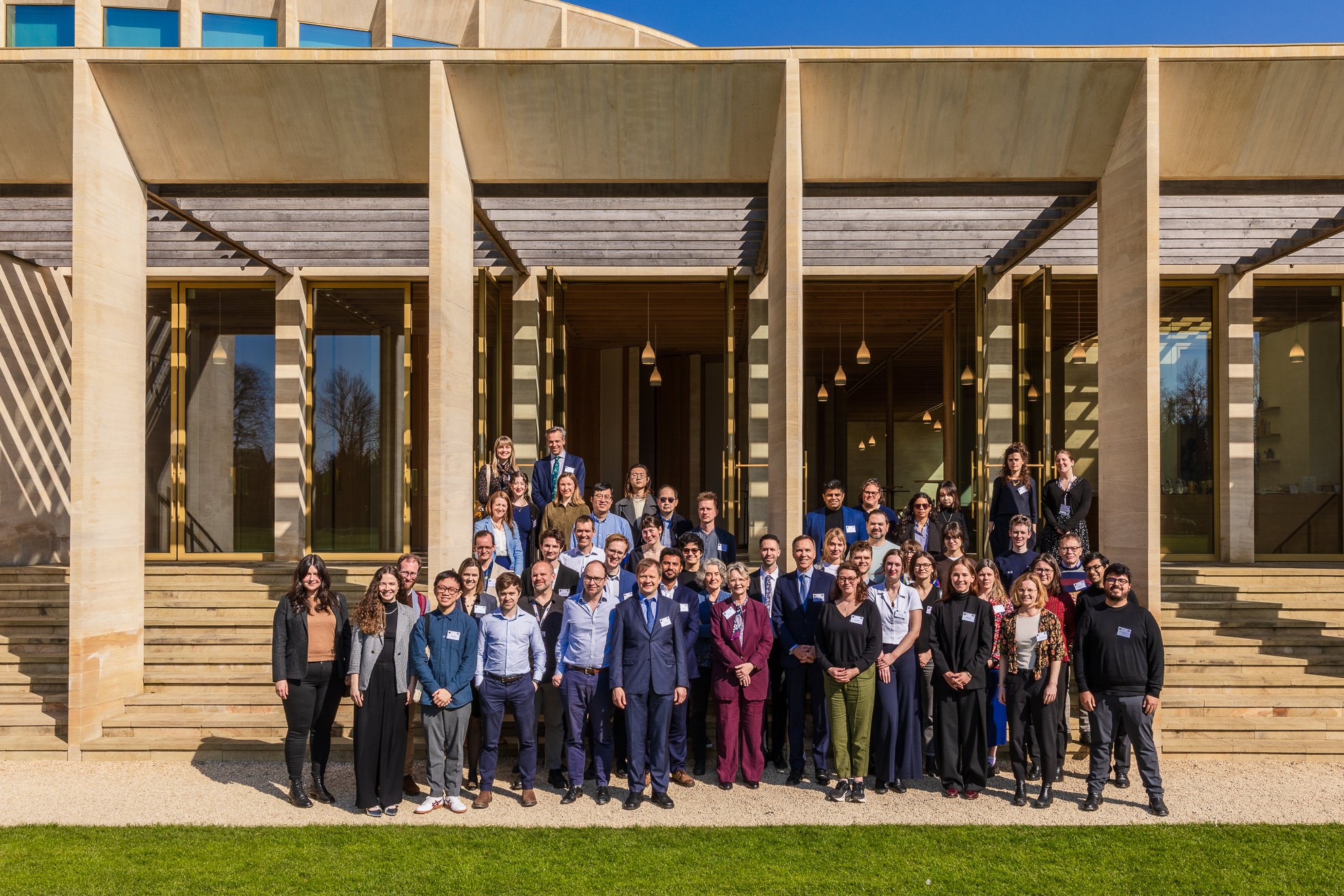
Group photo; credit Potters Instinct Photography